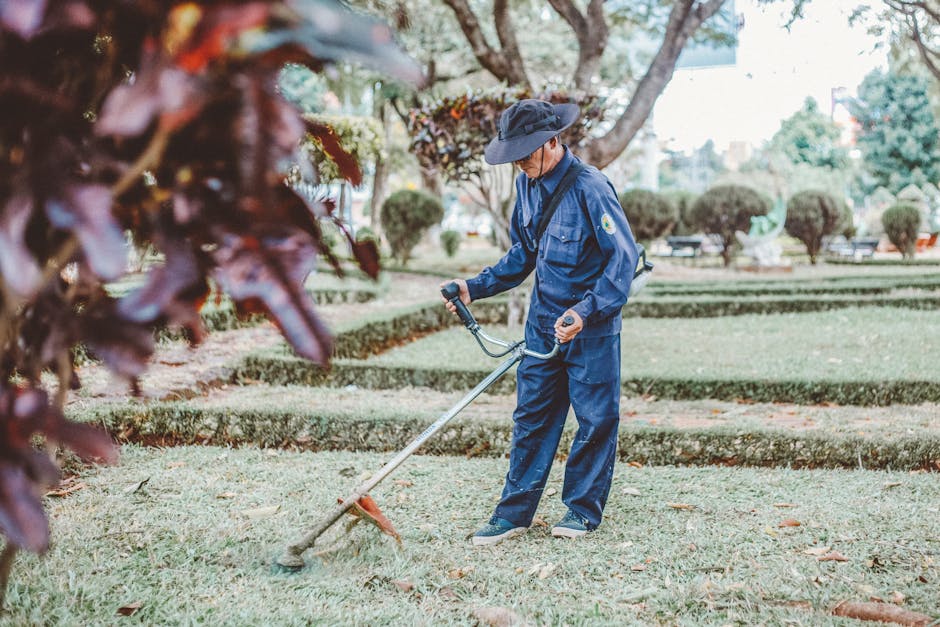
What to know about Richmond Council rules for gardeners and waste
If you garden in Richmond, or you hire someone to do it for you, waste handling is one of those quiet details that can cause a surprisingly loud problem. A neat lawn and trimmed hedge can quickly turn into an awkward conversation if cuttings, soil, timber, or old garden materials are left out incorrectly. That is exactly why it helps to understand What to know about Richmond Council rules for gardeners and waste before the job starts, not after the bags are piled up on the drive.
This guide explains the practical side of garden waste in plain English: what usually counts as green waste, how collection and disposal tend to work, what gardeners should prepare for, and where people most often trip up. It also covers best practice for local jobs, from routine maintenance to bigger garden clearance work. To be fair, most of this is common sense once you see it laid out properly. The tricky part is knowing what to do with the awkward bits.
Table of Contents
- Why Richmond Council rules for gardeners and waste matter
- How the waste rules usually work in practice
- Key benefits and practical advantages
- Who this is for and when it makes sense
- Step-by-step guidance
- Expert tips for better results
- Common mistakes to avoid
- Tools, resources and recommendations
- Law, compliance, standards and best practice
- Options, methods and comparison table
- Case study or real-world example
- Practical checklist
- Conclusion
- Frequently asked questions
Why Richmond Council rules for gardeners and waste matter
Garden waste looks harmless. Grass clippings, leaves, hedge trimmings, a few broken branches. Nothing dramatic. But councils treat garden waste carefully because it can attract pests, block pavements, create mess for neighbours, and become a safety issue if it is left in the wrong place or at the wrong time.
For Richmond households, landlords, and gardeners, the rules matter for three main reasons. First, there is the practical side: if waste is not separated properly, collection becomes harder and more expensive. Second, there is the reputational side: nobody wants a tidy garden job to end with black sacks sitting out in the rain. Third, there is the compliance side, which is where many people get caught out. A gardener can do excellent work and still leave a client with a disposal headache if the waste plan was never discussed.
In our experience, the simplest jobs are the ones where waste is treated as part of the service, not an afterthought. That means asking in advance what will be removed, what can be composted, what needs a dedicated clearance, and whether any bulky or woody material will need a separate disposal route. It sounds basic. It is basic. And yet it saves a lot of bother.
How Richmond Council rules for gardeners and waste works in practice
While the exact collection arrangements can change, the overall logic is usually straightforward. Garden waste is normally expected to be kept separate from general household rubbish, especially when it is organic material such as grass, leaves, weeds, light pruning and hedge cuttings. Mixed waste is where things get messy, because once garden waste is blended with plastics, old pots, broken fencing, rubble, or leftover packaging, it is no longer a simple green-waste job.
For a local gardener, this usually means planning the job in stages:
- Identify what type of waste will be created.
- Separate reusable, recyclable, organic, and non-organic material.
- Choose whether the waste will be bagged, chipped, composted, or removed in bulk.
- Make sure nothing is left where it could cause obstruction, seepage, or nuisance.
That last point matters more than people think. A pile of wet green waste on a warm day can start to smell, and a heap left near a boundary can quickly become a neighbour complaint. Nobody enjoys that phone call on a Friday afternoon, let's face it.
If you are booking regular garden care through garden maintenance services, it is worth asking how waste is handled as part of the visit. For one-off clearances, a broader service like garden clearance is often the better fit because the waste volume, sorting, and loading are usually more substantial.
There is also a big difference between routine clippings and heavier material. Grass and leaves are one thing. Mature hedge branches, thick roots, old sleepers, and timber are another. If the job includes structural changes or hard landscaping, it may also connect with landscaping or even landscape gardening, where waste types broaden quite a bit.
Key benefits and practical advantages
Getting the waste side right is not just about avoiding problems. It actually improves the whole job.
- A cleaner finish: the garden looks finished, not half-done.
- Less disruption: fewer return visits, fewer bags left behind, fewer awkward bits stored on site.
- Better planning: once waste is understood, the time, tools, and vehicle space needed become much easier to estimate.
- Lower risk of complaint: neighbours are less likely to object when paths, driveways, and shared access remain clear.
- More efficient recycling: green material can often be handled very differently from general rubbish.
There is a quiet efficiency to a well-run garden job. You notice it in the small things: fewer trips to the van, cleaner paving, no stray cuttings in the flower bed, no bin lid jammed open because someone overfilled it. It is not glamorous, but it makes all the difference.
For customers comparing services, it can also help to look at a provider's wider operational standards. Pages such as recycling and sustainability, insurance and safety, and health and safety policy are useful signals that waste handling is being treated seriously rather than casually.
Who this is for and when it makes sense
This guidance is useful for quite a few people:
- homeowners with regular garden upkeep
- landlords preparing a property between tenancies
- tenants who have been asked to tidy an overgrown garden
- older residents who need help with heavier waste
- gardeners and landscapers working in the borough
- anyone arranging a seasonal clear-up after storm damage, pruning, or renovation
It also makes sense when the project is bigger than a standard mow and trim. For example, if you are cutting back dense growth, removing long hedge runs, or dealing with years of accumulation, the waste side can become a project in its own right. That is especially true when branches need cutting down to size, or when mixed debris includes soil, pots, old ties, and bits of timber.
A lot of people only think about waste once the garden is already half stripped. Then they realise the car boot is too small, the wheelie bin is already full, and the neighbours are looking over the fence. Not ideal.
If the work is more about routine upkeep than a one-off clear-out, regular services such as lawn mowing, hedge trimming, or ongoing garden maintenance may keep waste volumes low enough that collection is much simpler.
Step-by-step guidance
If you want to stay on the right side of Richmond Council expectations and avoid unnecessary waste headaches, a simple process works best.
- Assess the waste before the job starts. Walk the garden and identify grass, hedge cuttings, branches, roots, soil, old timber, containers, and any non-garden rubbish.
- Separate the material. Keep green waste apart from general waste and hard materials. This is the bit people often skip, and then regret it later.
- Check access. Think about gates, front paths, side returns, and parking. If a barrow or collection vehicle cannot get close, loading takes longer.
- Choose the disposal method. Small organic volumes may be bagged or composted; larger jobs may need a clearance service or multiple loads.
- Protect communal areas. If the property is in a terrace or shared setting, keep shared paths clean and unobstructed.
- Leave the site tidy. Sweep up loose debris, remove excess soil from paving, and check for stray cuttings in borders and drains.
One practical tip: bagging waste too early can slow you down. It is often better to cut, sort, and stack material neatly first, then bag or load it in one go. Otherwise you end up handling the same pile three times. Nobody needs that kind of exercise.
If the job also includes trees or large woody growth, look at whether tree lopping and removal is required. That kind of work can change waste volumes dramatically and may need a more careful plan than routine hedge trimming.
Expert tips for better results
After a lot of garden jobs, a few habits stand out as consistently helpful.
- Keep wet and dry waste apart where possible. Wet clippings are heavier, smell more quickly, and take up less space than you expect.
- Cut bulky waste down before transport. A branch that looks manageable on the lawn can be annoyingly awkward in a sack or van.
- Plan for one extra load. In real life, waste always seems to be more than first estimated. Strange but true.
- Avoid overfilling bags. Overstuffed sacks split easily and make handling unsafe.
- Keep a small clearing area near the exit. It saves time when moving material out of the garden.
Another useful habit is to ask whether the waste can be incorporated into a sustainability-minded approach. Some green waste can be reused as mulch or composted, depending on the material and condition. That does not suit every job, but where it does, it can reduce disposal needs and support a lower-waste finish. The recycling and sustainability page is a sensible place to check how a provider thinks about this side of the work.
And yes, a muddy pair of gloves and a stack of tied bags may not feel exciting at 8 a.m., but that is often the difference between a smooth day and a long one.
Common mistakes to avoid
Most waste issues come from a small number of predictable mistakes. The good news is they are easy to avoid once you know them.
- Mixing garden waste with general rubbish. Once it is mixed, disposal options become less efficient.
- Leaving waste on pavements or shared areas. This can create obstruction and neighbour complaints very quickly.
- Underestimating bulky material. Thick hedge branches, roots, and old fencing take much more space than leafy waste.
- Forgetting about soil and rubble. These are not the same as green waste and are often handled separately.
- Ignoring access and vehicle space. A job can grind to a halt if waste cannot be moved safely.
- Not agreeing the disposal plan up front. That is where many disputes begin, awkwardly enough.
One subtle mistake is assuming that all "garden waste" means the same thing. It does not. Light prunings, damp grass, woody stems, old compost, and broken pots belong in different planning buckets. If you treat them all the same, the job becomes untidy fast.
For more involved outdoor projects, a provider's wider service range can matter too. If waste comes from a redesign rather than routine maintenance, it may sit alongside decking services or broader landscaping works. That changes the disposal profile, and it should be reflected in the quote and timing.
Tools, resources and recommendations
You do not need an elaborate setup to manage garden waste well. A few practical tools make a real difference:
- strong rubble sacks or garden waste bags
- tarpaulins for keeping cuttings together
- loppers and secateurs for reducing branch size
- a wheelbarrow or garden trolley
- gloves and eye protection
- a broom or leaf rake for final clean-up
For customers, the most useful resources are often not tools at all, but clear service information. A transparent pricing and quotes page helps set expectations around labour, waste removal, and extra materials. Likewise, services overview can help you see whether you need maintenance, clearance, or a more specialist job.
If you are hiring a provider, take a quick look at practical trust signals too. Pages such as about us and terms and conditions can tell you a lot about how the business is structured, how work is agreed, and what happens if the scope changes mid-job. That may sound dry. It is actually very useful.
Law, compliance, standards and best practice
This part deserves careful wording. Local waste handling involves a mix of council expectations, household responsibilities, and general UK waste rules. The exact collection arrangements, bin allowances, and garden-waste treatment can change, so it is always wise to check the latest Richmond Council guidance directly before arranging a large clear-up.
What matters at ground level is the standard of care. Gardeners should avoid fly-tipping, should not leave waste where it blocks access, and should manage disposal in a way that is safe, tidy, and proportionate to the job. If a business takes waste away, it should do so responsibly, with the right arrangements in place for transport and disposal. That is not just good manners; it is basic professionalism.
There is also a health and safety angle. Heavy bags, sharp branches, slippery cuttings, and awkward lifting all carry risks. Good practice means using suitable PPE, keeping walkways clear, and lifting properly. Small things, but they matter. A rushed garden job can go wrong very quickly when wet grass meets a sloped path, or a branch is dragged across a tight side return.
For that reason, it is sensible to work with providers who openly discuss safety and insurance. These are not just reassurance pages; they show whether the business has thought about the practical risks of outdoor work. The same applies to sustainable disposal. A company should be able to explain how it approaches waste reduction, recycling, and removal in plain English.
Options, methods and comparison table
Different garden jobs call for different waste methods. The table below gives a simple, practical comparison.
| Method | Best for | Pros | Watch-outs |
|---|---|---|---|
| Composting on site | Leaves, grass, soft cuttings | Low cost, low waste, good for ongoing maintenance | Not suitable for all materials; needs space and time |
| Bagged collection | Small to medium amounts of garden waste | Simple, tidy, easy to manage | Bags can split if overloaded; mixed waste complicates disposal |
| Dedicated garden clearance | Large clear-outs, overgrowth, mixed organic waste | Efficient for bigger jobs, usually more complete | Needs clear scope and access planning |
| Partial reuse / mulch | Suitable woody waste and certain cuttings | Can reduce disposal volume and support sustainability | Not always appropriate, especially if material is diseased or contaminated |
| Combined landscaping removal | Jobs involving old features, soil, or hard materials | Good for redesigns and bigger transformations | Requires more careful sorting and time allowance |
As a rule of thumb, the more mixed the waste, the more planning you need. Simple leafy cuttings are easy. Mixed rubble and green waste is where things become a bit of a puzzle.
Case study or real-world example
A typical Richmond garden job might start with what looks like a fairly standard spring tidy-up. The owner wants the lawn cut, the hedge reduced, and the back corner cleared. Once work begins, the team finds buried clippings, a few old plant pots, some broken cane supports, and a surprising amount of woody hedge growth near the fence line.
At that point, the waste plan changes. The light green waste can be bagged or composted. The woody material is cut down further so it can be stacked safely. The old pots and plastic ties are separated rather than thrown in with the organic load. The client gets a cleaner result, the garden is easier to access, and the final sweep only takes a few extra minutes. Simple enough, but only because the waste was handled properly from the start.
That is really the theme here. The visible part of the job is the neat border or the freshly cut grass. The invisible part is the sorting, loading, and disposal that makes it all feel finished. You notice the difference the moment you step outside the next morning and everything still looks calm.
Practical checklist
Use this checklist before any garden work that may create waste in Richmond:
- Identify the main waste types before starting.
- Separate green waste from general household rubbish.
- Set aside bulky branches, roots, and timber.
- Check whether soil, pots, or rubble need separate handling.
- Confirm how the waste will be bagged, loaded, or composted.
- Make sure access routes stay clear and safe.
- Protect shared areas, driveways, and pavements.
- Ask about disposal and recycling before the work begins.
- Agree what happens if the waste volume turns out to be larger than expected.
- Do a final tidy sweep before the job is signed off.
If you are unsure which service fits best, a good starting point is to review the provider's core offerings, especially garden clearance and garden maintenance. That usually makes the next step obvious.
Get a free quote today and see how much you can save.
Conclusion
Understanding Richmond Council rules for gardeners and waste is less about memorising fine print and more about working sensibly. Separate waste early, plan for access, match the disposal method to the size of the job, and keep everything tidy from start to finish. If you do that, most of the stress simply disappears.
For homeowners, that means a cleaner garden and fewer surprises. For gardeners, it means smoother jobs, happier clients, and less backtracking. And for everyone involved, it means the work ends the way it should: neat, safe, and quietly satisfying. There is something oddly pleasing about that last sweep of the path, when the whole place finally looks right.
If you are arranging work in the area, use the service pages that fit your project, check the practical details, and ask questions early. A good plan now saves a lot of fuss later.
Frequently Asked Questions
What counts as garden waste in Richmond?
Garden waste usually includes grass cuttings, leaves, weeds, hedge trimmings, branches, pruning debris, and similar organic material. Mixed rubbish, old pots, timber, soil, and rubble may need different handling.
Can a gardener just put waste in the household bin?
Sometimes small amounts can be handled that way, but it is not always suitable, especially for larger jobs. It is better to agree the waste method before work begins so nothing is left to chance.
What is the difference between garden maintenance and garden clearance?
Garden maintenance is usually regular upkeep such as mowing, trimming, and light tidying. Garden clearance is more about larger-scale removal, overgrowth, and heavier waste volumes. The waste plan is usually quite different.
Do hedge cuttings and branches need separate handling?
Often, yes. Soft hedge clippings, thicker branches, and woody stems behave very differently when bagged or loaded. Separating them usually makes disposal easier and tidier.
What should I do with soil, broken pots, or old fencing?
Do not assume they belong in the same pile as green waste. Soil, ceramics, plastics, and timber are often treated separately, especially if you want the job handled efficiently.
How can I avoid neighbour complaints about garden waste?
Keep paths clear, avoid leaving bags in shared spaces, and remove waste promptly. If the garden is tight or terraced, plan the loading route before the work starts. That little bit of planning saves a lot of noise, literally and socially.
Is composting always the best option?
Not always. Composting is great for suitable green waste, but not for contaminated material, diseased plant matter, or mixed loads. It works best as part of a sensible waste plan rather than a one-size-fits-all answer.
How do I know if I need a garden clearance service?
If the job involves large volumes, dense overgrowth, mixed debris, or several trips to remove waste, clearance is often the better option. Routine tidying usually fits maintenance instead.
What should a gardener tell me about waste before starting?
They should explain what types of waste will be created, how it will be separated, how it will be removed, and whether disposal is included in the quote. Clear answers up front are a good sign.
Are there special safety concerns with garden waste?
Yes. Wet cuttings can be slippery, heavy bags can strain backs, and branches can be awkward to carry through narrow access. Good practice means safe lifting, tidy routes, and proper protective gear.
What if the waste volume ends up bigger than expected?
That happens more often than people think. The best approach is to discuss what happens if the scope changes, especially on larger or older gardens where hidden waste can appear once work begins.
Where can I check more about how a provider handles sustainability and safety?
Look at pages such as recycling and sustainability, insurance and safety, and health and safety policy. They usually give a clearer picture of how the business works day to day.